
What “skin in change” really means
Drier, duller, suddenly unpredictable. Why skin rewrites its own rules — and why it isn't anything you're doing wrong.
Read the articleTaimana, reimagined — Skincare for skin in change · Join early access
The Taimana Journal · Draft articles for review
Clear, science-led writing on how skin evolves — and how to care for it well. From the lab bench of cosmetic chemist Andrea Taimana.
Drier, duller, suddenly unpredictable. Why skin rewrites its own rules — and why it isn't anything you're doing wrong.
Read the article“My serum stopped working.” “I'm dry and breaking out.” “My skin looks tired, and I'm doing everything right.” If any of this sounds familiar, your skin isn't failing. It's changing.
Skin is never static. It responds continuously to hormones, climate, stress, sleep and travel. Most of the time those shifts are small enough to go unnoticed. At certain points they are not — and perimenopause and menopause are the most significant of them.
As oestrogen declines, skin typically produces less oil, holds water less readily and renews more slowly. The barrier — the outermost layer that keeps moisture in and irritants out — becomes more vulnerable. Collagen production slows. And, frustratingly, these changes tend to arrive together rather than one at a time.
Hormones are only part of the story. Dry indoor air, a new climate, a stressful season or a long-haul flight can all push skin into the same pattern: less comfortable, less predictable, less forgiving.
It's actually the most interesting skin to formulate for — because it's moving.
The instinct is often to add: a stronger active, a richer cream, another step. For skin in change, the better starting point is usually the opposite — support the barrier first, simplify the routine, and choose textures skin will genuinely tolerate every day.
That is the thinking behind Taimana. Rather than asking skin to adapt to a formula, we formulate to support skin in whatever state it is in.
Skin in change is a normal response to hormonal, environmental and lifestyle shifts. Start with the barrier, keep the routine considered, and let comfort guide you.
This article is general cosmetic information, not medical advice. If you have a persistent or worsening skin concern, please see a doctor or dermatologist.
Before any serum can do its work, skin has to be comfortable, calm and able to hold on to its own moisture. That job belongs to the barrier.
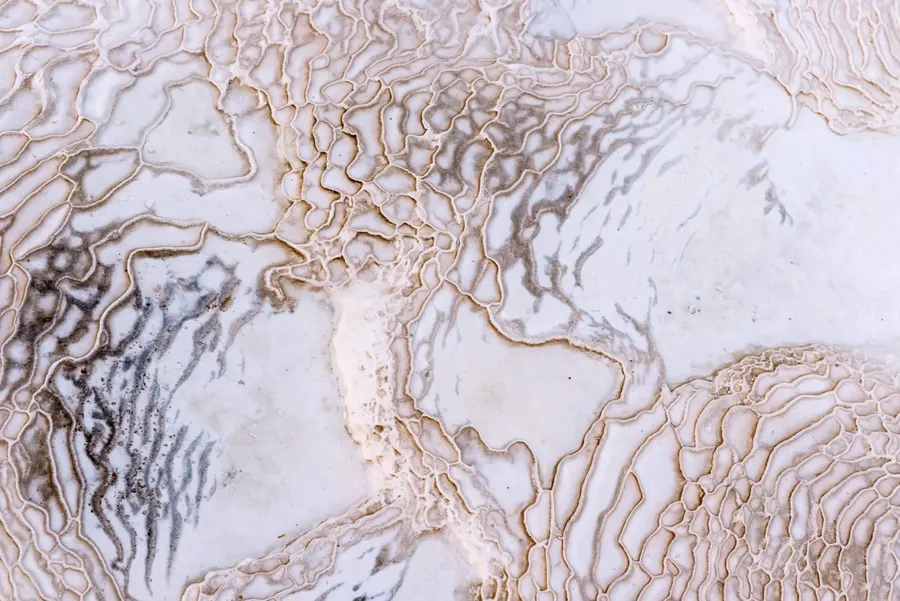
The outermost layer of skin, the stratum corneum, is often described as a brick wall. The bricks are flattened skin cells. The mortar between them is a finely organised blend of lipids — principally ceramides, cholesterol and free fatty acids — arranged in layers that slow water loss and keep irritants out.
Ceramides make up the largest share of that mortar, and their balance with cholesterol and fatty acids matters as much as their amount. It is this structure, more than any single ingredient, that decides how resilient skin feels.
With age, hormonal change, harsh cleansing, low humidity or over-enthusiastic use of strong actives, the lipid layer can become depleted or disorganised. Water escapes more easily. Skin feels tight, looks duller and reacts faster to things it once ignored.
Radiance isn't something applied to the surface. It is the visible expression of resilient skin.
Heavy occlusive layers can make skin feel better for a moment, but they don't restore what is missing. A barrier-first approach replenishes skin with lipids it recognises — skin-identical ceramides, and squalane, a stable form of a lipid skin naturally produces — in textures light enough to use every day.
Once the barrier is supported, everything else in a routine tends to work better and feel kinder. That's why, at Taimana, the barrier is where formulation begins.
A comfortable, luminous complexion starts with a well-supported lipid barrier. Replenish it with skin-identical lipids before reaching for anything stronger.
An essence is the first treatment layer after cleansing. We asked what that layer should really be made of.
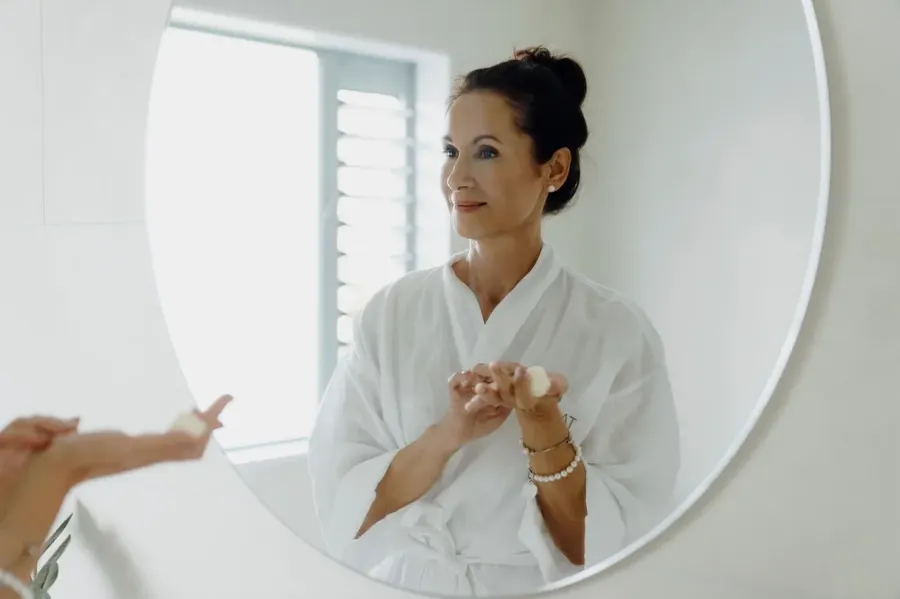
An essence comes straight after cleansing and toning. Most are light, watery treatments that prepare skin for everything that follows. The principle is sound: treat skin gently and early, in a texture fine enough to layer under anything.
For skin in change, the first need is often not more water but better lipids — the barrier's own materials. So we asked a different question: what if the essence step delivered skin-mimetic lipids instead, without the weight of a facial oil?
The answer became a waterless oil-gel. With no water phase and no emulsifier, it is simply lipids and the gel that holds them — moving like a gel, nourishing like an oil, and finishing silken rather than greasy.
Its sensory profile — the way it moves, melts and layers — was inspired by the refined textures of Korean skincare. The formulation science is our own.
Moves like a gel. Nourishes like an oil.
The essence step prepares skin for the rest of your routine. A lipid-based essence gives skin in change what it most often lacks — first.